Maximising Your Dog's Exercise Routine: Dog Exercise Tips for Happy, Healthy Pets
- Gary Burrell
- Jan 26
- 4 min read

Getting your dog the right amount of exercise is one of the best things you can do for their health and happiness. But it’s not just about long walks or tossing a ball now and then. To really maximise your dog’s exercise routine, you need to think about variety, consistency, and what suits your dog’s breed, age, and personality. I’ve put together some practical dog exercise tips that will help you make the most of your time together, especially if you’re in St. Ives, Cornwall, where the scenery is perfect for active pups.
Why Exercise Matters: Dog Exercise Tips You Can’t Ignore
Exercise isn’t just about burning off energy. It’s about keeping your dog’s body and mind in top shape. Regular activity helps prevent obesity, reduces behavioural problems, and strengthens your dog’s muscles and joints. Plus, it’s a great way to bond.
Here are some key benefits of a good exercise routine:
Improved physical health: Stronger muscles, better heart health, and healthy weight.
Mental stimulation: Exercise challenges your dog’s brain, reducing boredom.
Better behaviour: Tired dogs are less likely to chew furniture or bark excessively.
Socialisation: Walks and playtime can help your dog meet other dogs and people.
If you want your dog to thrive, exercise is non-negotiable. But how do you make sure you’re doing it right?
Tailoring Exercise to Your Dog’s Needs
Every dog is different. A lively Border Collie will need more intense exercise than a laid-back Bulldog. Age, health, and personality all play a role in what kind of activity suits your dog best.
Here’s how to tailor your dog’s exercise:
Consider breed traits: Some breeds are bred for endurance and speed, others for short bursts of energy.
Age matters: Puppies need shorter, gentler sessions. Older dogs might need low-impact activities.
Health checks: Always check with your vet if your dog has health issues before starting a new routine.
Personality counts: Some dogs love chasing balls, others prefer sniffing and exploring.
For example, if you have a young Labrador, a mix of running, swimming, and fetch games will keep them happy. For a senior Cocker Spaniel, gentle walks and some light play might be best.
Creative Ways to Maximise Your Dog’s Exercise
Exercise doesn’t have to be boring or repetitive. Mixing things up keeps your dog interested and engaged. Here are some ideas to spice up your dog’s routine:
Interval walking: Alternate between brisk walking and slower paces to build stamina.
Agility courses: Set up simple obstacles in your garden or local park.
Swimming: Great low-impact exercise, especially for dogs with joint issues.
Hide and seek: Hide treats or toys for your dog to find.
Interactive toys: Use puzzle feeders that require your dog to move and think.

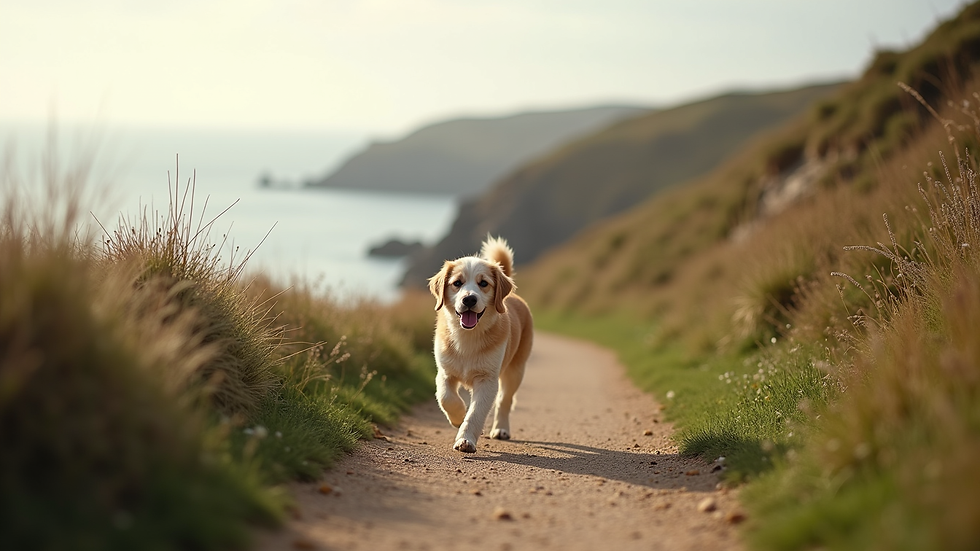
In St. Ives, you’re lucky to have access to beautiful beaches and countryside trails. These spots are perfect for letting your dog explore new scents and sights while getting plenty of exercise.
How to Keep Your Dog Motivated and Safe
Keeping your dog motivated is key to a successful exercise routine. Dogs can get bored or tired, so it’s important to watch their cues and keep things fun.
Here’s how to keep your dog motivated and safe:
Use positive reinforcement: Praise and treats encourage your dog to keep going.
Watch for signs of tiredness: Panting, slowing down, or limping means it’s time to rest.
Stay hydrated: Bring water on longer walks or play sessions.
Avoid extreme weather: Hot days can cause overheating; cold or wet weather might require shorter sessions.
Use proper gear: A well-fitting harness and leash keep your dog safe.
If you’re unsure about how much exercise your dog needs, or want some expert help, consider local services like Walkies. They specialise in making sure every dog in St. Ives gets the exercise, attention, and adventure they need.

Making Exercise Part of Your Daily Routine
Consistency is the secret to success. Dogs thrive on routine, so try to make exercise a regular part of your day. Here are some tips to help you build a lasting habit:
Set specific times: Morning and evening walks can become a natural part of your schedule.
Mix it up: Combine walks with playtime, training, or socialising.
Include the family: Get everyone involved to share the responsibility.
Track progress: Use a journal or app to note your dog’s activity and improvements.
Be flexible: Life happens, so adapt your routine when needed but keep the goal in mind.
By making exercise a priority, you’ll see improvements in your dog’s mood, behaviour, and overall health.
Beyond Exercise: Enriching Your Dog’s Life
Exercise is just one part of a happy dog’s life. Mental stimulation, social interaction, and a loving environment are just as important. Try to combine physical activity with training sessions, playdates, and quiet cuddle time.
Remember, a well-exercised dog is a happy dog, but a happy dog is one who feels loved and secure. That’s why services like Walkies aim to be a complete solution for local dog owners, offering not just exercise but care and companionship.
I hope these dog exercise tips help you create a fun, effective routine for your furry friend. Whether it’s a brisk walk along the coast or a game of fetch in the park, every bit of activity counts. Your dog will thank you with wagging tails and endless affection!


Comments