Effective Dog Training Tips for St Ives: Helping Your Dog Thrive

Training your dog can be one of the most rewarding experiences you share. It builds trust, improves behaviour, and makes daily life more enjoyable for both of you. If you live in St Ives, you’re lucky to have beautiful outdoor spaces and a friendly community that loves dogs. But training your furry friend here also means understanding the local environment and the unique challenges it might bring.
Let’s dive into some practical, easy-to-follow dog training tips that will help your dog behave well and enjoy life to the fullest in St Ives.
Simple Dog Training Tips That Work
When I first started training my dog, I quickly learned that consistency is key. Dogs thrive on routine and clear communication. Here are some straightforward tips that have helped me and many others:
Use Positive Reinforcement: Reward good behaviour with treats, praise, or playtime. This encourages your dog to repeat those actions.
Keep Training Sessions Short: Dogs have limited attention spans. Aim for 5-10 minute sessions a few times a day.
Be Patient and Calm: Dogs can sense frustration. Stay calm and positive, even if progress is slow.
Set Clear Boundaries: Decide what behaviours are acceptable and stick to those rules every day.
Socialise Your Dog: Introduce your dog to other dogs and people in safe, controlled environments to build confidence.
For example, when teaching my dog to come when called, I always start indoors with no distractions. Once she’s reliable, I gradually move to the garden, then to quiet outdoor spots in St Ives, and finally to busier areas like the harbour or local parks.

Why Local Dog Training Tips Matter in St Ives
St Ives is a wonderful place for dogs, but it also has some unique features that affect training. The town is busy with tourists, has narrow streets, and plenty of wildlife. This means your dog needs to be well-behaved around crowds, other dogs, and local animals.
Here are some local-specific tips:
Leash Training is Essential: With busy streets and lots of people, keeping your dog on a leash is safer and helps control their behaviour.
Teach “Leave It” Command: St Ives has many tempting things on the ground - from food scraps to seaweed. Teaching your dog to ignore these can prevent unwanted eating or choking hazards.
Prepare for Wildlife Encounters: Seagulls, rabbits, and other wildlife are common. Training your dog to stay calm and not chase is important.
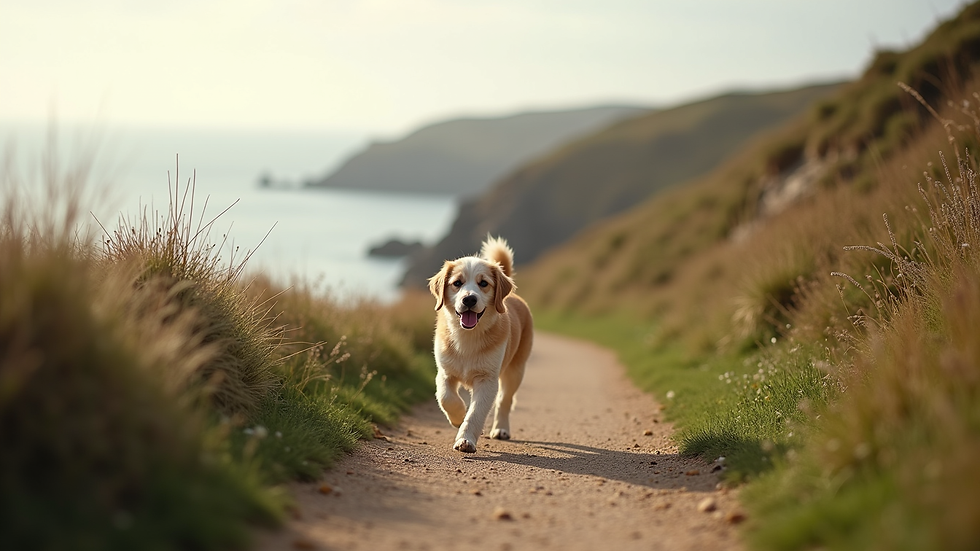
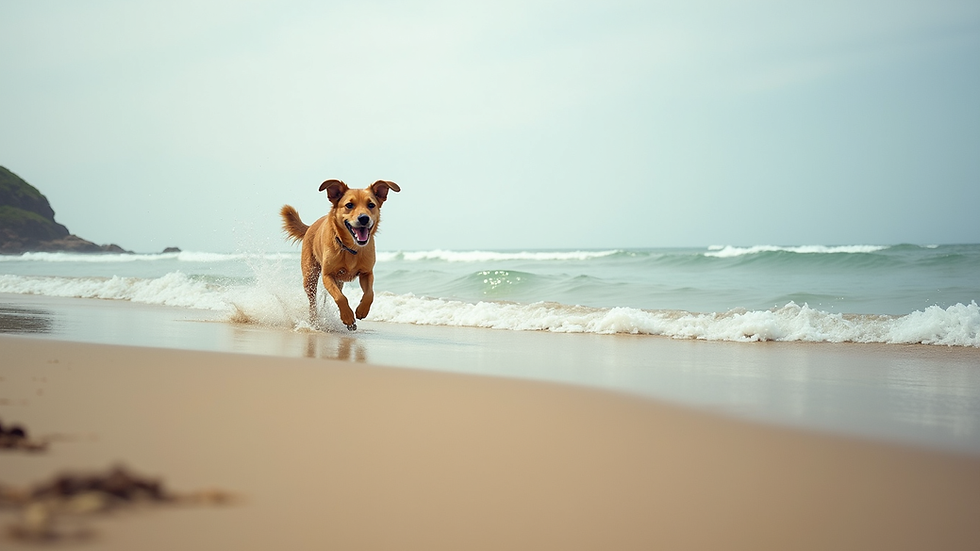
Use Local Walking Routes for Practice: Places like Porthmeor Beach or the coastal paths are perfect for practising recall and loose-leash walking.
By tailoring your training to the local environment, you help your dog stay safe and happy while enjoying all that St Ives has to offer.
What is the 7 7 7 Rule for Dogs?
The 7 7 7 rule is a simple guideline to help with dog training and socialisation. It suggests that:
By 7 weeks old, puppies should start socialising with other dogs and people.
By 7 months, they should have basic obedience skills like sit, stay, and come.
By 7 years, dogs should be well-adjusted and confident in various environments.
This rule highlights the importance of early and ongoing training. Starting young helps prevent many behaviour problems later on. But it’s never too late to teach an old dog new tricks! Even if your dog is older, consistent training and positive reinforcement can make a big difference.
Practical Steps to Improve Your Dog’s Behaviour Today
If you’re wondering where to start, here are some actionable steps you can take right now:
Create a Training Schedule: Dedicate specific times each day for training. Consistency helps your dog learn faster.
Use High-Value Treats: Find treats your dog loves and use them only during training to keep motivation high.
Practice Basic Commands Daily: Sit, stay, come, and down are the foundation of good behaviour.
Avoid Punishment: Instead of scolding, redirect your dog’s attention to a positive behaviour.
Exercise Your Dog Regularly: A tired dog is a well-behaved dog. Regular walks and playtime reduce anxiety and excess energy.
Join Local Dog Groups or Classes: Socialising with other dogs and owners can provide support and motivation.
Remember, training is a journey. Celebrate small wins and be patient with setbacks.

Why Consistent Training Makes a Difference
One of the biggest lessons I’ve learned is that consistency is everything. Dogs don’t understand mixed messages. If you allow jumping on the sofa one day but not the next, your dog will be confused.
Here’s why consistency matters:
Builds Trust: Your dog knows what to expect and feels secure.
Speeds Up Learning: Repetition helps your dog remember commands and rules.
Prevents Behaviour Problems: Clear boundaries reduce anxiety and unwanted behaviours.
Strengthens Your Bond: Training together creates a strong connection.
Try to involve everyone in your household in the training process. When everyone follows the same rules, your dog will learn faster and behave better.
Making the Most of Your Dog’s Time in St Ives
Living in St Ives means your dog has access to some amazing outdoor spaces. Use these to your advantage:
Take your dog on different walking routes to expose them to new sights and sounds.
Practice training commands in various locations to improve reliability.
Use the beach for fun recall games and exercise.
Explore quieter trails for calm walks and bonding time.
By mixing training with fun adventures, your dog will stay engaged and happy.
If you want to learn more about effective dog behaviour training tips, there are plenty of local resources and trainers who understand the unique needs of dogs in this area.
Helping Your Dog Become the Best Companion
Training your dog is about more than just rules. It’s about creating a happy, healthy relationship where your dog feels loved and understood. With patience, kindness, and the right approach, you can help your dog become a well-mannered companion who enjoys every moment in St Ives.
Whether you’re dealing with barking, pulling on the lead, or socialisation challenges, remember that every dog is different. Tailor your training to your dog’s personality and needs, and don’t hesitate to seek help if you need it.
Your dog deserves the best, and with these tips, you’re well on your way to making that happen.
Training your dog is a journey filled with joy, challenges, and growth. By using these effective dog training tips, you’ll help your dog thrive in St Ives and build a bond that lasts a lifetime. Happy training!

Comments